Thought leadership,
from inside the build.

Unlocking Alberta's Wealth Through Tokenization
Alberta's resource base is one of the largest on Earth. What if a portion of that value could be put to work today, without selling the asset, by converting future revenue into regulated, liquid instruments, and directing the liquidity to housing and community infrastructure?

Separating Leverage From Livelihood
A thought-experiment: should everyday finance and macro leverage sit on the same rail at all? What transparent, fully-reserved, asset-referenced settlement infrastructure could mean for household resilience.
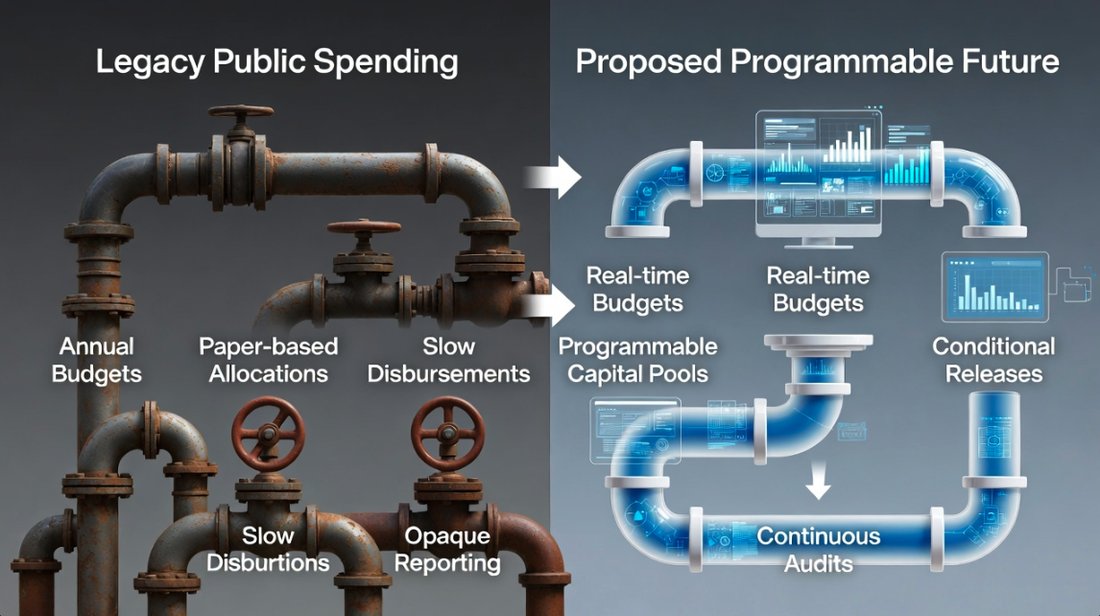
Governments Fail Because Their Financial Infrastructure Is Outdated
Most public spending failures are not governance failures, they are infrastructure failures. Why programmable, verifiable financial rails move the conversation from "trust us" to "verify the system."

Can Automation Outgrow the Debt Trap?
Global debt has crossed $324 trillion. A hypothesis worth testing: can compute-driven productivity, compute economies, and programmable digital currency grow the denominator fast enough to matter, and what verifiable infrastructure would it require?

The Market Opportunity: Where RWAs Actually Live
Tokenized real-world assets are projected to reach into the trillions this decade. But the opportunity is not the headline number, it is the institutions, custody frameworks, and settlement rails that decide where that value can actually move.
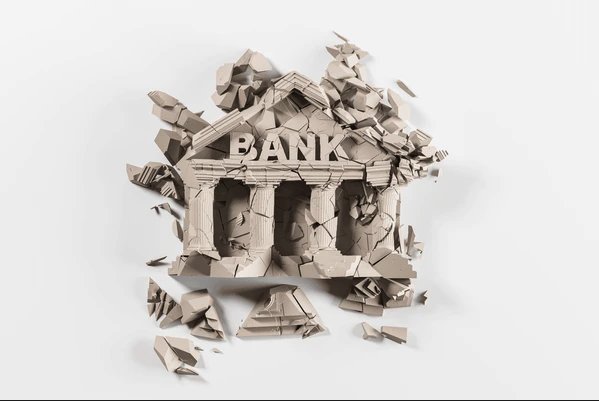
When IOUs Break: Why Real Assets Need Verifiable Rails
Every paper claim is a promise that someone keeps their word. A macro thesis on why real-world assets, transparently recorded and verifiably settled, behave differently when confidence in promises is tested. Not investment advice.
When "Trust Us" Fails: Canada's Record Crypto Penalty
A record AML penalty, an exchange takedown that needed a foreign tip, and a flash crash that reached Canadian retirement accounts. The lesson is not that crypto exists, it is that black-box infrastructure fails in predictable ways, and we now have the tools to build rails you can verify.

Emergency Money, Without the Wait
The 2016 Fort McMurray wildfire forced 88,000 people to flee. The aid was generous; what failed people was speed. What would relief look like if the money could move as fast as the fire did, on regulated, supervised rails?

Canada's New Budget Signals a Safer Path to Stable Finance
Budget 2025, finalized OSFI guidance, live RPAA supervision, and harmonized tax reporting. Individually technical, together they quietly assemble the foundation for digital settlement that is fast, transparent, and boring in the best possible way.
The Shift Has Begun: Why Canada Needs Creative, Stable Infrastructure
Interest-rate volatility, payments modernization, and clearer regulation are reshaping Canadian money. The shift is not a threat to manage, it is an opening, and the constructive question is what gets built into the gap, and who builds it.
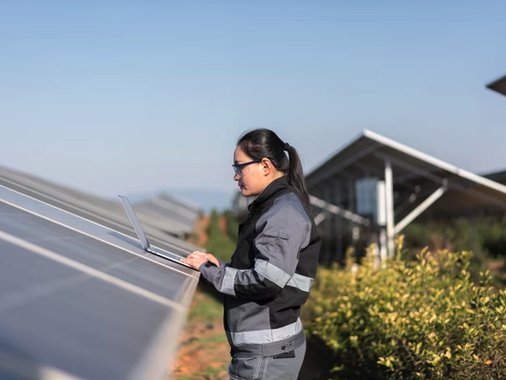
Plug Into the Future: Blockchain and Global Solar
From fractionalized solar cells in Zimbabwe to tokenized energy output in Europe, four real projects show real-world-asset rails already financing utility-scale renewables. The structural lesson, and what it would take to do it credibly in Canada.

When "Local" Means Keeping Profits at Home: Amazon Canada vs Shopify
One company channels Canadian profit to a foreign parent; the other reinvests at home. Both operate lawfully. The deeper question is transparency, how clearly anyone can actually see where Canadian capital ends up.

Too Taxed to Grow: Canadian SMBs Under the Tax Burden
The CFIB survey data on SMB tax pressure is stark. But underneath the rate debate, which belongs to legislators, sits a second squeeze: the timing of money. That part is an infrastructure problem, and a solvable one.

Equity, Debt & Digital-Asset Reserves: How Canadian Companies Finance Growth
Equity, debt, and, for a few firms, digital assets on the balance sheet. An evenhanded comparison, and the question underneath all of it: every strategy now depends on custody and verification you can actually trust. Not investment advice.
The full KCS Capital archive has been migrated, fourteen briefs, each rewritten, updated, and sourced. New pieces are published on a rolling basis.